Explore The Wonders of Tsavo East & Tsavo West
Starts From/Returns to Nairobi. We’ll pick you up from your Nairobi hotel, or Nairobi airport.
The Tsavo sister parks are Kenya’s largest, oldest, and certainly amongst the finest of the great wildlife reserves to explore on your African Safari. This Kenya private tour will keep you busy with unlimited game drives on the great expanse of Tsavo East and the scenic hills and savannah of Tsavo West. Between the two parks, all of Africa’s Big Five roam these fields and bush. This short safari is a perfect impulse getaway and no advance planning is needed. Just let us know and we’ll have you on safari in no time.
Ever hear of Tsavo man-eating lions? The adult males are famous for their appearance – they’re missing the usual mane. They are also historically fierce, as told by folklore from a hundred years past. We’ll be on the “hunt” for them in Tsavo East National Park, as well as other large and small predators throughout the vastness of this rugged reserve.
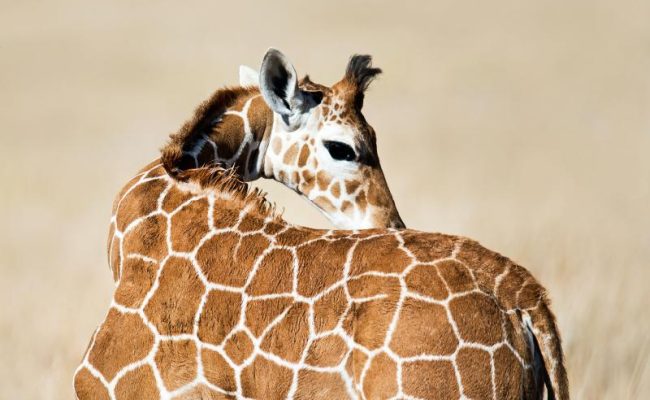
Rolling green hills, volcanic lava beds, monkeys, giraffes, lions and rhinos. Tsavo West National Park is a scenic feast of landscape and wildlife. We’ll pay a visit to lush Mzima Springs to walk near the hippos and crocodiles, then journey to the resident rhino sanctuary and try our luck spotting the big, elusive creatures. There’s so much to observe on this busy 3-day tour, so read through the itinerary below and let us know if you have any favorites.
5 Star Lodge
2 Breakfasts, 3 Lunches & 2 Dinners
4x4 Vehicle
3-100
English
Private Tour
4-100 (Years)
All Good
Adventure
Ngulia Rhino Sanctuary is one of the very few TOTALLY EXCLUSIVE Rhino Viewing Platforms in Kenya. At the base of Ngulia Hills, this 90-sq-km area is surrounded by a 1m-high electric fence and provides a measure of security for around 80 of the park's highly endangered black rhinos. There are driving tracks and waterholes within the enclosed area, but the rhinos are mainly nocturnal and the chances of seeing one are slim – black rhinos, apart from being understandably shy and more active at night, are browsers, not grazers, and prefer to pass their time in thick undergrowth.
Whether you're visiting Kenya for a romantic getaway, an adventure, or a luxury holiday vacation, finding the right accommodation with excellent facilities enhances your experience.
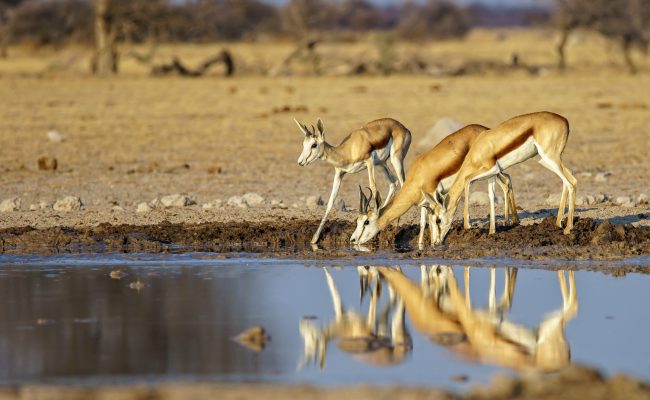
These enhance guest experience at the lodge as it brings our guests up close to observing mega herbivores looking to quench their thirst. The experience is more rewarding during dry spells/season as large groups of elephants, buffaloes, zebras and various antelopes (sometime trailed by big cats) come for scarce water which is provided for by a well-positioned water hole supplied by a borehole dedicated for wildlife.
Whether you're visiting Kenya for a romantic getaway, an adventure, or a luxury holiday vacation, finding the right accommodation with excellent facilities enhances your experience.
There’s an underwater viewing chamber, which gives a creepy view of thousands of primeval-looking fish. Be careful here though, as neither hippos or crocs are always inside the water. Mzima Springs is an oasis of green in the west of the park that produces an incredible 250 million litres of fresh water a day. The springs, whose source rises in the Chyulu Hills, provides the bulk of Mombasa’s fresh water. A walking trail leads along the shoreline. The drought in 2009 took a heavy toll on the springs’ hippo population; the population is stable at around 20 individuals. There are also crocodiles and a wide variety of birdlife.
Whether you're visiting Kenya for a romantic getaway, an adventure, or a luxury holiday vacation, finding the right accommodation with excellent facilities enhances your experience.
Lugard’s Falls named after Captain Lugard, the first proconsul to East Africa, the falls feature a bizarrely eroded rock neck through which the waters of Galana River plunge into foaming rapids and crocodile infested pools.
Whether you're visiting Kenya for a romantic getaway, an adventure, or a luxury holiday vacation, finding the right accommodation with excellent facilities enhances your experience.
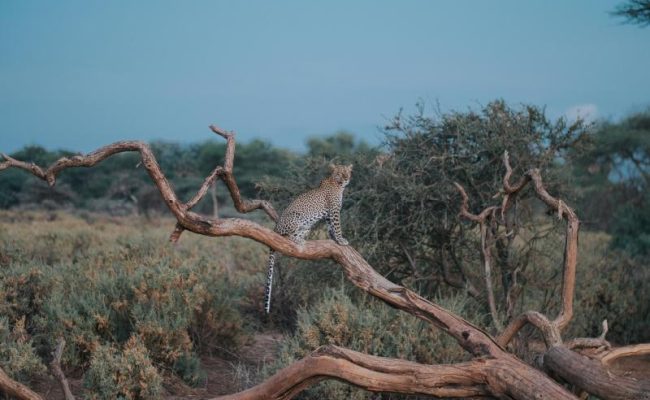
Mudanda rock is a whale-backed rock that towers above a natural dam. This rock formation runs for over 1.5km and it attracts elephants in the dry season and is a reminiscent of Australia’s Uluru (Ayers Rock), albeit on a much smaller scale. Leopards and elephants are among the wildlife to watch out for here.
Whether you're visiting Kenya for a romantic getaway, an adventure, or a luxury holiday vacation, finding the right accommodation with excellent facilities enhances your experience.
The area around Tsavo, particularly the railway, was a major theatre of war between Britain and Germany during WWI. On the north side of the road just before the turn-off to Voi Gate on the eastern outskirts of town, this well-tended cemetery contains 137 graves, including 70 South African, 44 British, 12 ‘Rhodesian’, nine East African and two Indian graves. If you find the gate locked, call one of the phone numbers to obtain the access code. Note, however, that the phones are only attended 8.30am to 12.30pm and from 1.30pm to 4.30pm Monday to Friday.
Whether you're visiting Kenya for a romantic getaway, an adventure, or a luxury holiday vacation, finding the right accommodation with excellent facilities enhances your experience.
‘Shetani’ means ‘devil’ in Kiswahili: Cave exploration at Shetani lava flow is also another activity visitors can enjoy. The molten lava that forms Shetani lava spewed from the earth about 200 years ago and according to the local people they believed that it was the devil himself emerging from the earth. This vast expanse of folded black lava spreads for 50 sq km across the savannah near the Chyulu Hills, looking strangely as if Vesuvius dropped its comfort blanket here.
Whether you're visiting Kenya for a romantic getaway, an adventure, or a luxury holiday vacation, finding the right accommodation with excellent facilities enhances your experience.
Close to (and geologically part of) the Shetani Lava Flows, Shetani Caves are a result of volcanic activity. You’ll need a torch (flashlight) if you want to explore, but watch your footing on the razor-sharp rocks and keep an eye out for the local fauna – we’ve heard rumours that the caves are sometimes inhabited by hyenas, who don’t take kindly to being disturbed. Some of the Tsavo West lodges charge US$50 per person for guided excursions out here.
Whether you're visiting Kenya for a romantic getaway, an adventure, or a luxury holiday vacation, finding the right accommodation with excellent facilities enhances your experience.
Running through the heart of the park and marking the northernmost point in the park that most visitors are allowed to visit, the Galana River, which combines the waters of the Tsavo and Athi Rivers, cuts a green gash across the dusty plains. Surprisingly few visitors make it even this far and sightings of crocs, hippos, lesser kudus, waterbucks, dik-diks and, to a lesser extent, lions and leopards are relatively common. Watch out also for the distinctive Somali ostrich.
Whether you're visiting Kenya for a romantic getaway, an adventure, or a luxury holiday vacation, finding the right accommodation with excellent facilities enhances your experience.
Some 30km east of Voi gate is the man-made Aruba Dam, which spans the Voi River. It also attracts heavy concentrations of diverse wildlife; one of the park’s regularly spotted lion prides ranges around here. Away to the east and southeast, all the way down to the Buchuma Gate, the open grasslands provide the perfect habitat for cheetahs and sightings are more common here than almost anywhere else in southeastern Kenya.
Whether you're visiting Kenya for a romantic getaway, an adventure, or a luxury holiday vacation, finding the right accommodation with excellent facilities enhances your experience.
“When it comes to seeing wildlife while on safari, this is wild nature and nothing can be guaranteed. You may see plenty of animals, including the Big Five. But there will be game drives when you don’t see very much at all. That will make the sightings you do see all the more special. The joy of safaris, and what makes them so addictive, is that you just never know what you might see around the next corner. If you listen closely to, and learn from your guide, you’ll be able to enjoy all aspects of Africa’s wildlife. Everything from baobab trees to dung beetle, to chameleon and cheeky mongoose. Don’t forget to also focus on the birds, as even a very quiet game drive usually delivers some great bird sightings.”
“The costs of an African safari can vary enormously. You could pay anything from US$160 to US$1,000 per person per night, sometimes considerably more. Safaris can be an expensive holiday, and you generally get what you pay for. At the budget end of the spectrum are African safari packages where you join organized tours, departing on set dates, with other groups of people. Kenya and Tanzania offer some of the best value-for-money safaris.
Your choice of safari accommodations will affect the cost of your safari. Mobile safaris, where you sleep in tents, are great for groups of friends or families traveling together. Some safari lodges have taken luxury to the extreme, with private plunge pools etc. That said, you will probably have the same wildlife-viewing experience if staying in a more rustic lodge. It’s a matter of deciding what features are most important to you.
If your reserve or lodge is remote, getting there will also impact the price. There are no road transfers, so this adds to the price of your trip. The Serengeti is accessible by road, but this is a long, bone-rattling journey. It’s much easier and more comfortable to take a quick fly-in trip in a charter plane.
Whatever the costs of your safari, if you’ve experienced good service, do tip generously. A few extra dollars or euros will make a huge difference to your guide or lodge staff.”
“There are a lot of considerations to be taken into account when choosing an African safari holiday. These include:
If you are on safari with children, choose a family-friendly tours or lodges. In addition, you may prefer to choose a safari in a malaria-free area, for example in parts of Masai Mara.
What type of safari do you want to go on? There are organized tours, departing on set dates, joining other groups of people. Or do you want an exclusive, tailor-made private safaris just for you? Are you happy to camp or do you want to stay in a luxury safari lodge? Your budget will probably determine your choices.
Do you want to combine your safari with beach holidays, Kenya and Tanzania? Or a trip to Victoria Falls? This will help determine which country to choose.”
“The best time of year, and the peak season, for most safaris is the Dry season. This is when the bush is less dense, and the wildlife is drawn to waterholes. Generally, the wildlife is easier to find and see at this time. The Dry season means bright sunny days, and cooler nights. Of course, as the Dry season is peak safari season, there are more travelers and prices are higher. Dry season generally falls from May/June to September/October.
You may also wish to consider going during the Green season (also known as the Wet season or Emerald season). Although it may rain, often the showers are short downpours and then the sun comes back out again. It can be much cheaper to travel then, the bush is lush and green, and this is the breeding season for many of the animals. In East Africa, there are two Green seasons – the long rains between March and April or May, and the short rains from approximately late October or November into early December. In southern Africa the Green season is approximately from November to March. Temperatures can get very hot. Note that when it is wet there are more bugs and a greater risk of malaria.”
“All African safari holidays run to the same typical timetable. The best times to see wildlife, particularly predators being active, is at the beginning and end of the day. These golden hours at dawn and dusk are also the best times for photography. So be prepared for very early starts!
You will usually be woken at dawn, and given tea, coffee, rusks or cereal. The aim is to get going on your game drive as early as possible at first light. The morning game drive usually lasts three to four hours, including a coffee and comfort break. You return to your camp or lodge for brunch. Then you are free to relax and take a siesta, or perhaps lie by the pool, during the middle of the day. It’s a good idea to bring something to read for this downtime.
Later in the afternoon you will meet again for tea and snacks, before setting out on your second game drive of the day. This will usually include a stop for sundowner drinks, to watch the setting sun. Evening meals are usually served just after returning to camp. In some countries night drives are offered after dinner at around 8pm. Such drives can be a unique opportunity to spot nocturnal wildlife such as genets.
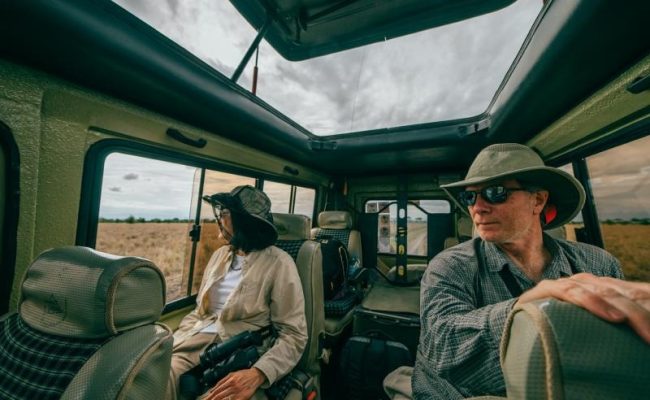
Unless you have paid for exclusive use, be prepared for sharing your game-drive vehicle with other guests. This can be huge fun (although sometimes you need to be quite tolerant). It is always a good idea to offer to swap around your seating positions during your safari.”
0 based on 0 reviews
Select your travel date & time, also minium traveller for reason easily booking a package.
6+ Expert Guides Await to Help You
Other curated list of popular safari packages based on different destinations.
Don’t hesitate Call Us.
+254 742 974 349
info@big5kenyasafaris.com
+254 742 974 349
Copyright 2025 Big 5 Kenya Safaris | All Rights Reserved.
Accepted Payment Methods :